
Cold Plasma in Rejuvenation Protocols: Two Cases That Expand the Possibilities of the Technology
After five weekly sessions, my client gave up her heavy foundation. After a single session, another client's makeup, which had settled into fine lines throughout the day for years, finally went on properly.
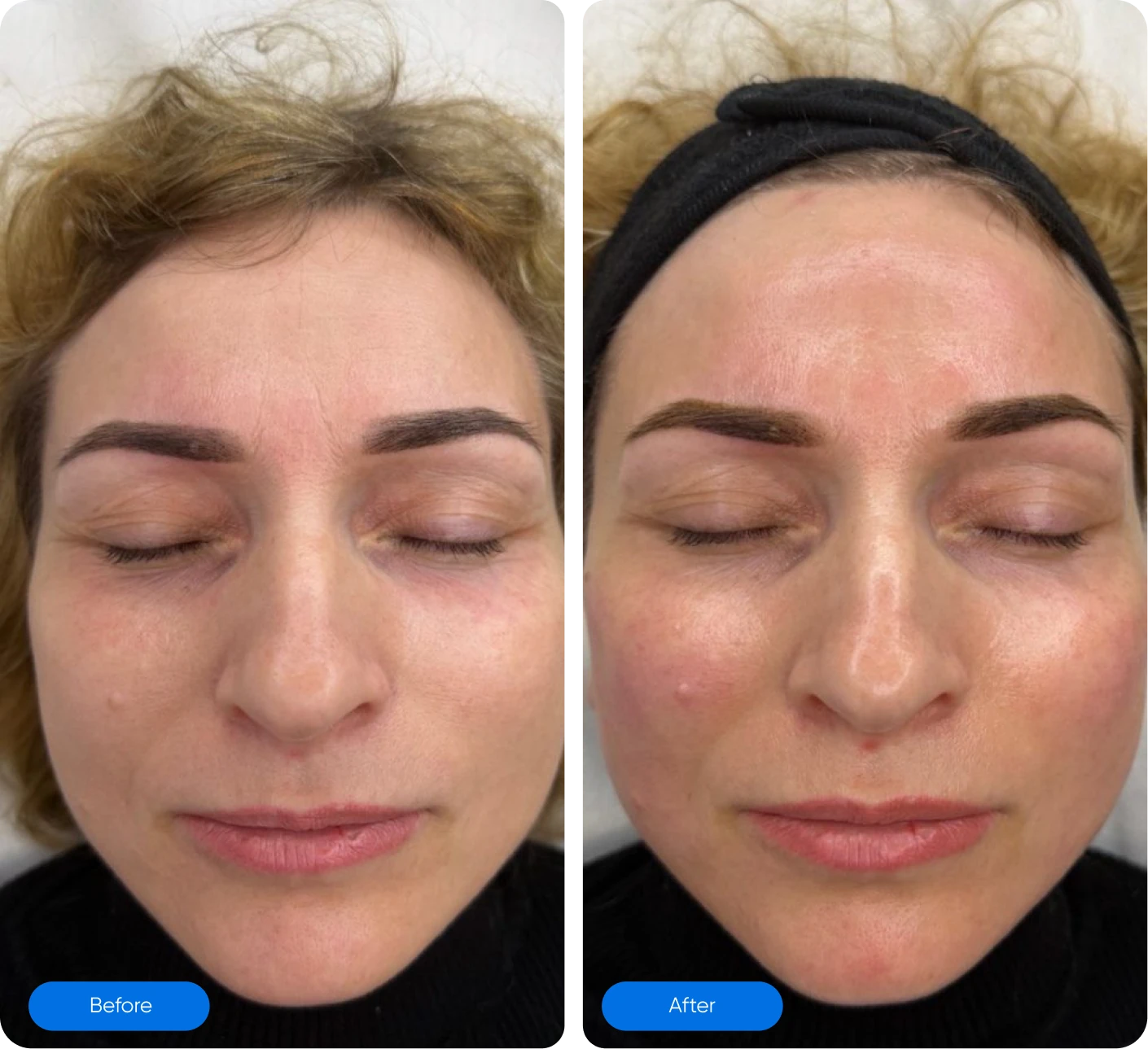
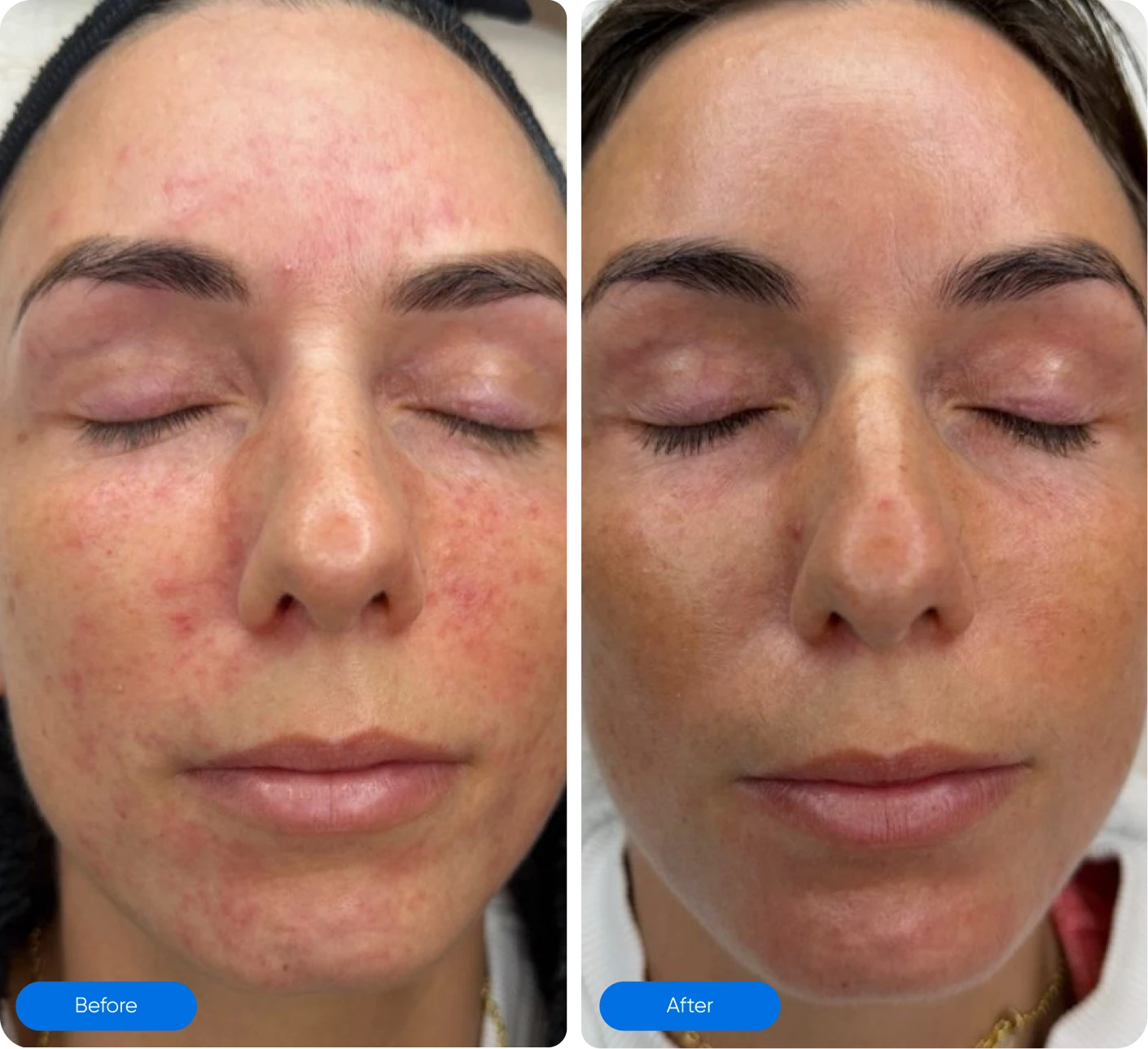
This is the result of the right sequence of technologies. Below are two cases and the protocols behind them.
Meet Monika Hofmann
Monika Hofmann, owner of Monika Hofmann Aesthetics and a Zemits brand ambassador, provided the cases.
"In my practice, the value of EvoPlasm is not in using it as a standalone treatment. It's in what it makes possible right before an active ingredient is applied."

Zemits Technologies in These Protocols
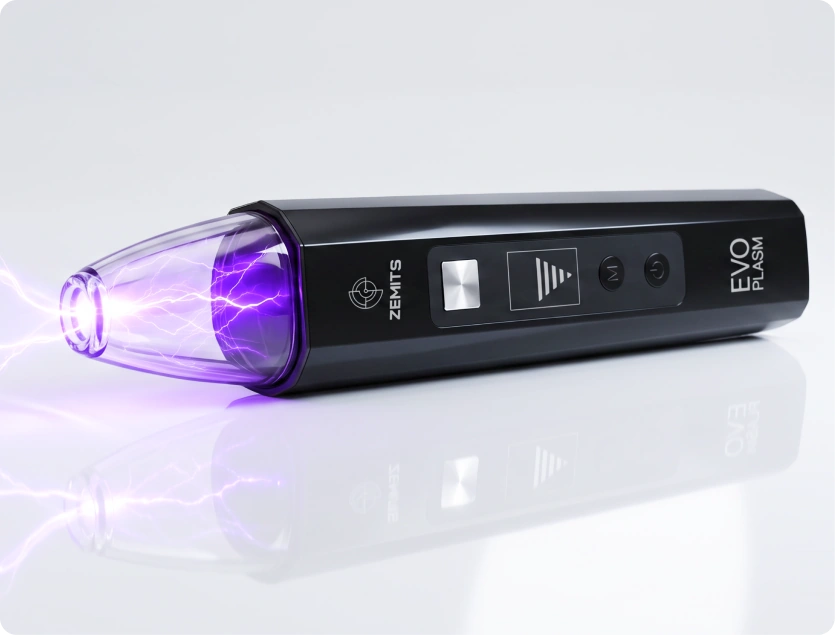
Devices:
Zemits EvoPlasm (cold plasma).
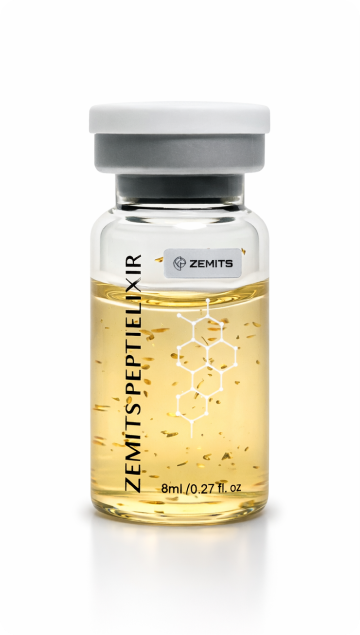
Serums:
Zemits PeptiElixir Serum (Case 1).
Exosome serum (Case 2).
What Cold Plasma Does to the Skin
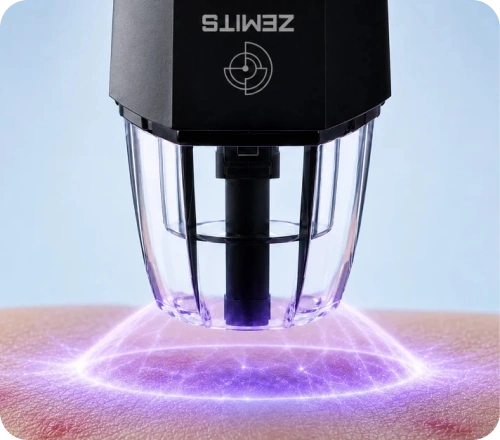
Cold plasma forms when an inert gas is ionized at low temperatures, producing reactive oxygen and nitrogen species (RONS), UV photons and charged particles, at a temperature safe for direct skin contact. Three mechanisms are clinically relevant here.
Antimicrobial action
RONS have demonstrated antimicrobial activity against Cutibacterium acnes and other Gram-positive and Gram-negative bacteria, making the technology directly applicable to inflammatory conditions.

Skin renewal
Cold plasma modulates keratinocyte proliferation and supports fibroblast activity, promoting skin renewal.
Enhanced delivery of actives
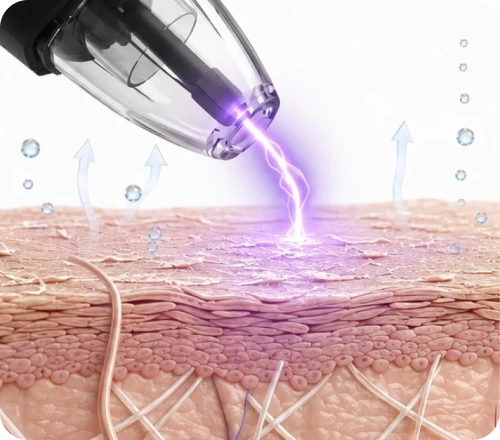
It temporarily increases membrane permeability. This plasma-assisted transdermal delivery effect creates a measurable "window" for enhanced absorption of topically applied active ingredients.
Case 1
Chronic Dehydration and Fine Lines: EvoPlasm + Zemits Peptides
Client Request and Protocol Goals
Client: 45, office worker
Stress level: 8 / 10
Medications: none
General health: good
Main concern: makeup doesn't sit well and settles into lines during the day
Protocol goal: deep dermal hydration combined with a gentle regenerative stimulus
Course: sessions every three weeks
Skin Condition Before Treatment
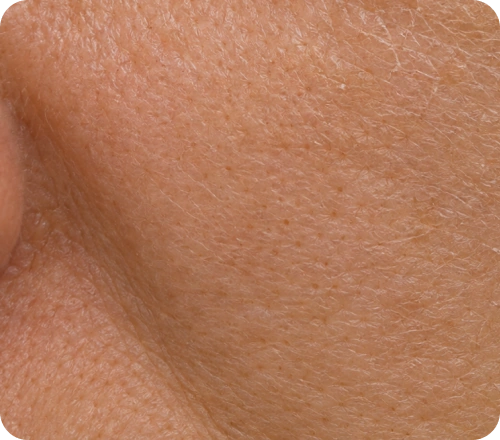
Chronic dehydration
The skin was dehydrated, with no active inflammation or significant barrier impairment. Home care was not enough to keep it hydrated.
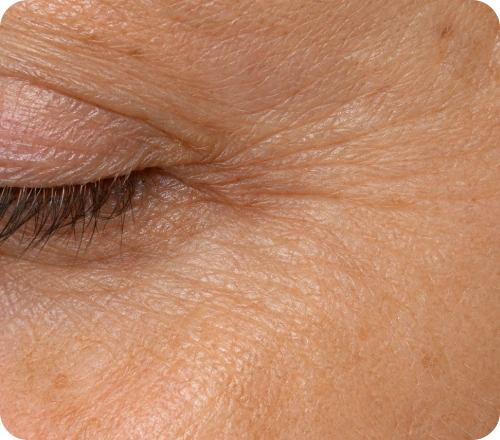
Fine lines around the eyes
The fine lines were linked to long-term dehydration rather than pronounced age-related changes. This shaped the choice of treatments.
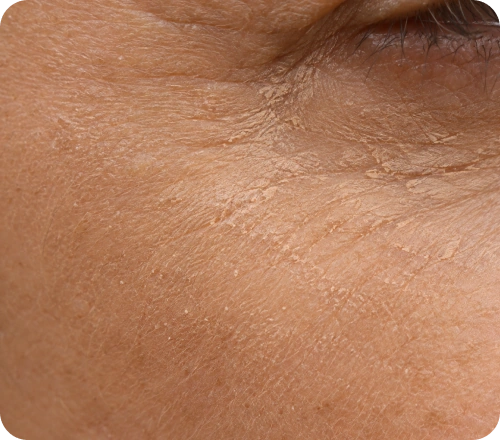
Makeup emphasised the lines
The client complained that her foundation went on unevenly and collected in the lines throughout the day. So results were also assessed by whether makeup went on more evenly and emphasised fine lines less.
Protocol Logic: How Each Step Built the Result
Monika built the protocol in the following sequence:

1. Cleansing
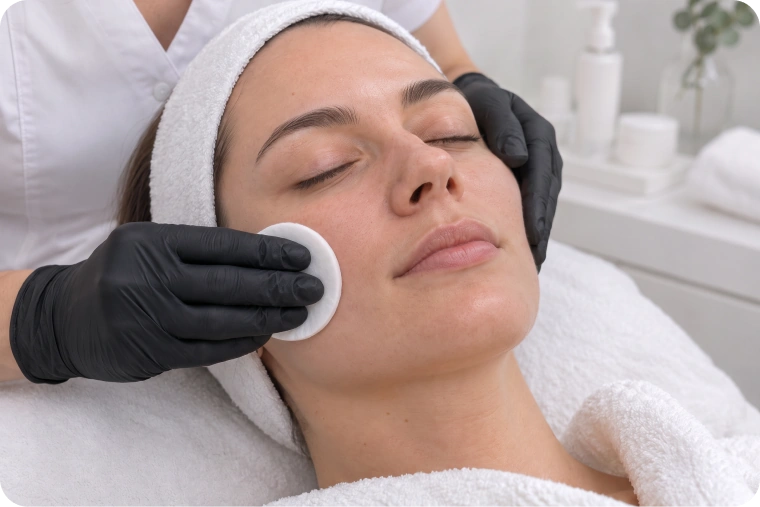
2. Toning

3. Barrier Restore Enzyme Peel
Enzymes break down corneodesmosomes and remove surface cell debris without mechanical friction, leaving the skin surface better prepared for the plasma treatment.
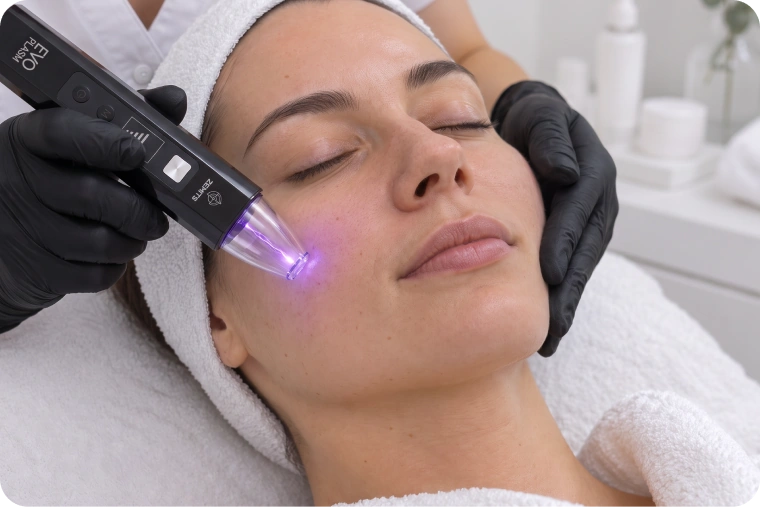
4. EvoPlasm Cold Plasma Treatment
EvoPlasm was chosen as the core delivery-enhancing technology. The temporary increase in permeability creates a window of enhanced absorption.

5. Zemits Peptides, immediately after EvoPlasm
Signal peptides that stimulate the production of collagen and elastin precursors need to penetrate the dermis to act deeper than the surface layers. Standard topical application limits their depth of action.
The post-EvoPlasm window allows peptides to reach the fibroblast-rich dermis more effectively than topical application alone.
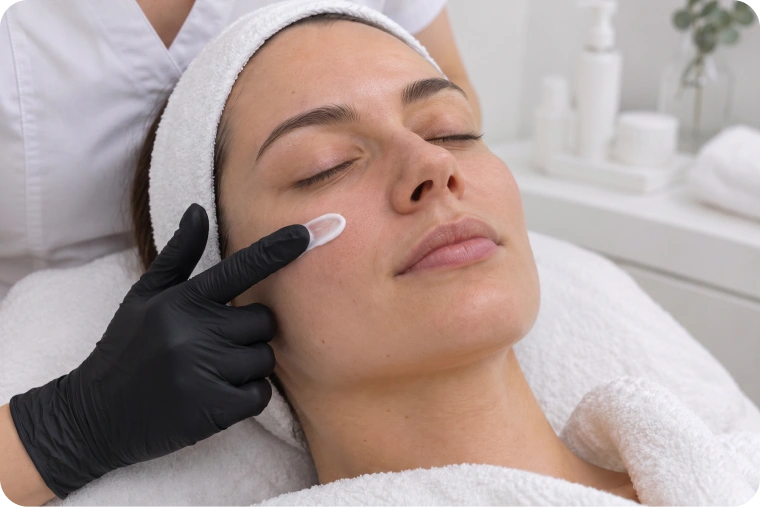
6. SPF 50 Protection
Cold plasma increases the skin's sensitivity to UV radiation immediately after treatment. This is not an optional recommendation.
Protocol Synergy: Why It Worked
Cold plasma temporarily increases membrane permeability, enhancing dermal absorption of actives applied immediately after the treatment.
EvoPlasm + Zemits Peptides are especially effective where dehydration is the main cause of fine lines. Three-week intervals maintain stable hydration when combined with appropriate home care.
Visible Result After the Session
Immediately after the session, the improvement in hydration was visible to the naked eye. The skin looked:
- softer and more supple, with better light reflection
- with noticeably softened fine lines in the periorbital area
- even-toned and rested
At the follow-up visit, the client noted that her makeup went on much better, the clearest functional indicator of success.
Next steps: sessions every three weeks and updated home care with targeted layering of humectants and occlusives to maintain results between visits.
The core principle is the same in both cases: prepare the skin wisely, deliver the active effectively, and let biology do its work.
Cases provided by: Monika Hofmann, Monika Hofmann Aesthetics.
Case 2
Inflamed Skin Against a Background of Systemic Disorders: EvoPlasm + Exosome Serum
Client Request and Protocol Goals
Client: 33, teaching assistant
Fitzpatrick skin type: III
Stress level: 7 / 10
History: endometriosis, past surgery; afterwards, persistent digestive and GI issues, including secondary lactose intolerance
Sessions: 5 weekly
Protocol goal: reduce inflammation, gradually restore skin health and support its own regenerative capacity, without adding physiological stress to a system already under significant load
What the Skin Showed
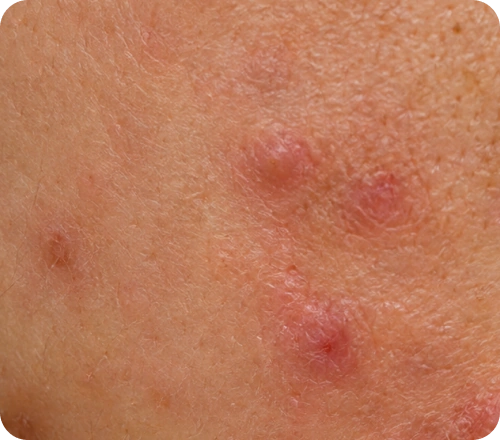
Inflammatory breakouts
They began appearing around the chin and nose, a classic hormonally driven pattern, and gradually spread to the cheeks.
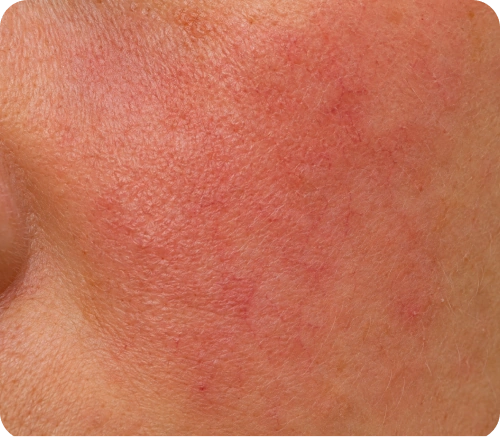
Systemic inflammation
Endometriosis is a systemic inflammatory disease. Post-surgical gut microbiome disruption and dietary habits created a growing inflammatory environment.
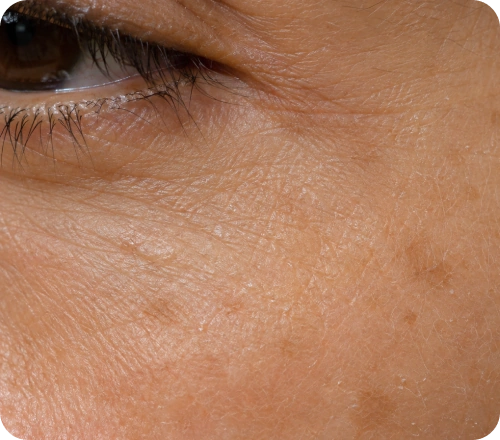
Pigmentation, dehydration, lines
In addition to inflammatory activity, the skin showed mild pigmentation, dehydration and fine lines in the periorbital area.
Protocol Logic: How Each Step Built the Result
A series of weekly sessions using the same protocol, with gradual assessment between visits:
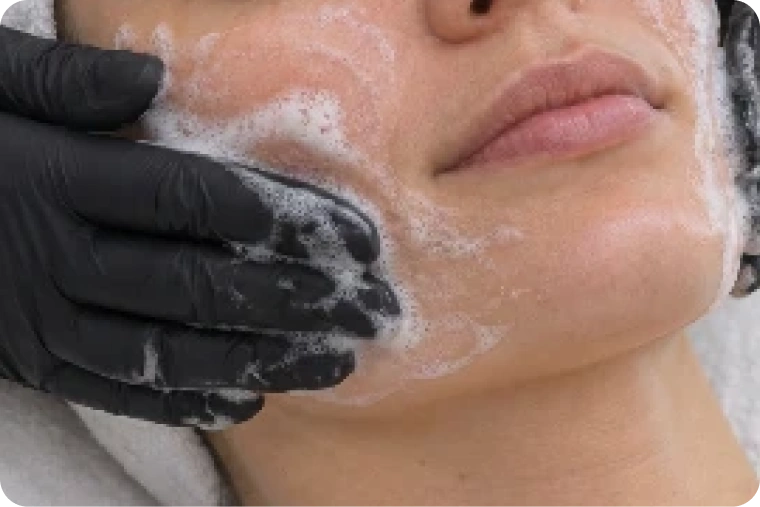
1. Cleansing
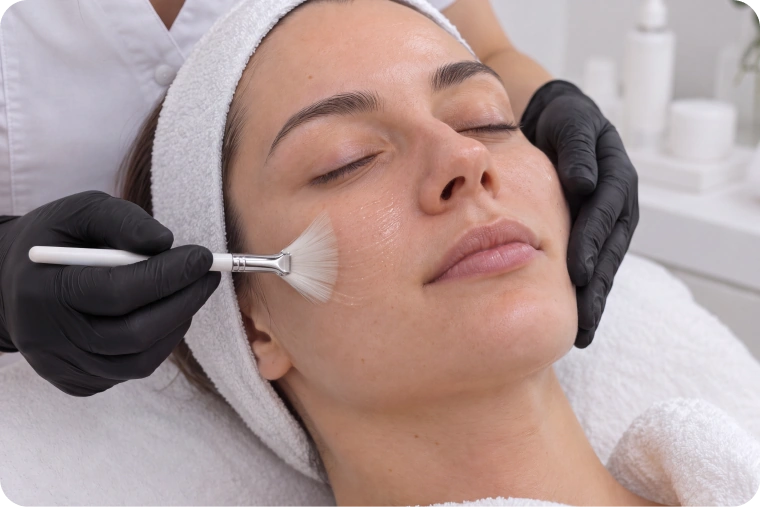
2. Toning
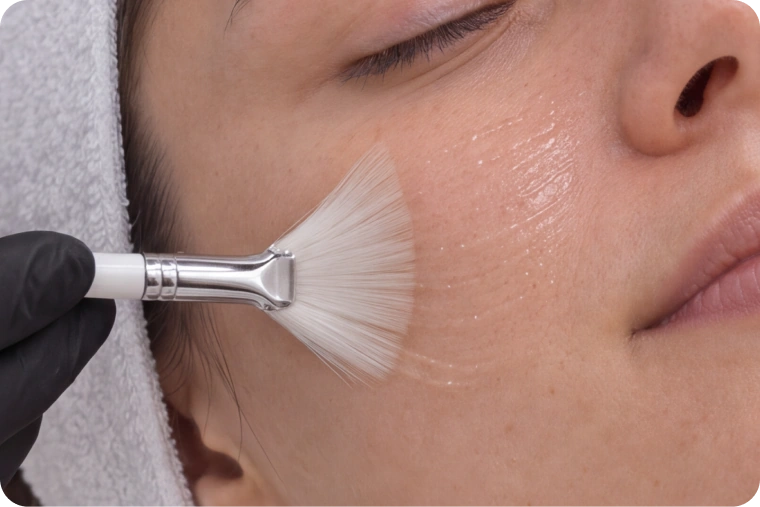
3. Enzyme Peel
We chose an enzyme peel for gentle exfoliation. Aggressive methods were avoided to prevent barrier damage or post-inflammatory pigmentation. This careful approach is especially important for reactive or compromised skin.
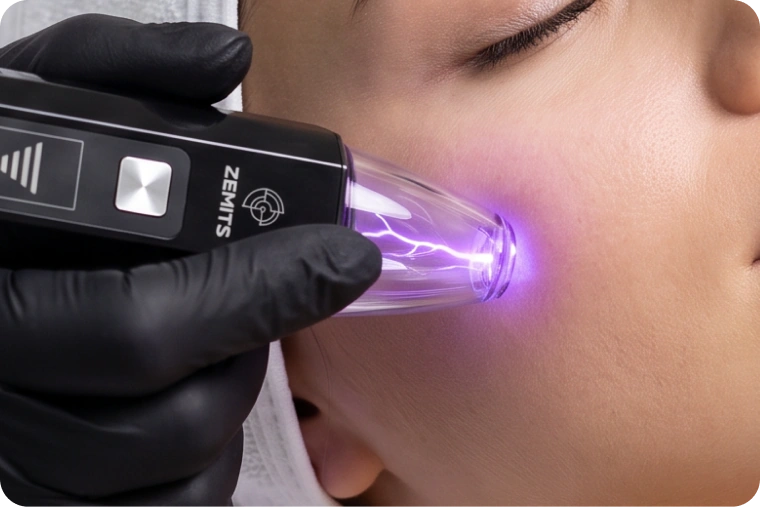
4. EvoPlasm Treatment
The RONS-mediated antimicrobial and anti-inflammatory action of EvoPlasm makes it well suited to inflammatory conditions, where more aggressive interventions carry risks.
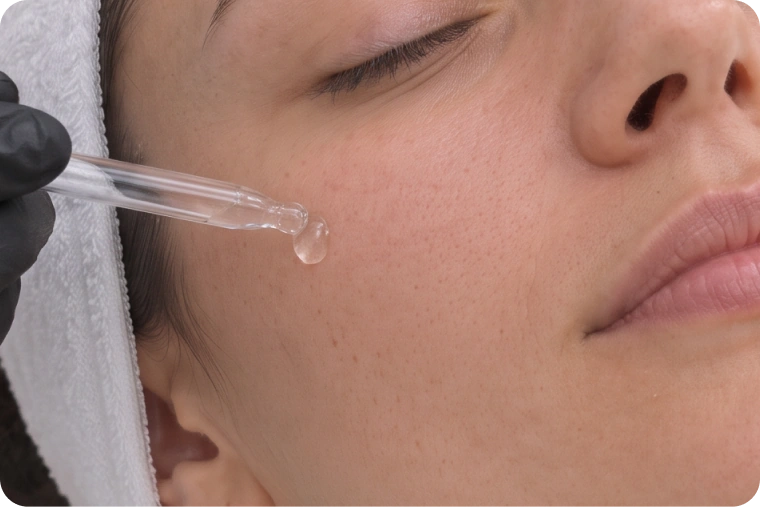
5. Exosome serum, immediately after EvoPlasm
After the treatment, an exosome serum was applied. Exosomes are tiny particles containing bioactive substances: growth factors, cytokines and microRNAs. They help cells exchange signals, support skin repair and regulate inflammatory processes.
6. SPF 50 Protection
The final step was applying sunscreen with SPF 50.
Additional Changes to Skincare and Diet
Home care products were selected to support the barrier and reduce inflammation. Aggressive exfoliation was excluded.
The diet was also reviewed to reduce the body's inflammatory load. It was kept lactose-free given her intolerance.
Protocol Synergy: Why It Worked
Combined with the antimicrobial and anti-inflammatory action of EvoPlasm, the protocol delivered both immediate and cumulative therapeutic effects.
The protocol was the combination of EvoPlasm sessions, exosome infusion, appropriate home care and dietary correction, not the device alone.
Visible Result After 5 Sessions
Inflammation decreased from session to session. By the end of the course, the skin became:
- calmer
- more even-toned
- noticeably more resilient
- with significantly less frequent and less intense breakouts
- with improved texture and radiance
The client no longer uses full-coverage foundation, a change she calls important for her confidence.
How EvoPlasm Differs from Other Delivery Technologies
Electroporation and ultrasonic phonophoresis help active ingredients penetrate the skin by temporarily altering its lipid barrier. Cold plasma works differently: reactive oxygen and nitrogen species, along with charged particles, interact with the stratum corneum, the skin's outer layer.
Additional effects on the skin. Beyond enhancing active penetration, cold plasma has antimicrobial and anti-inflammatory effects.
No conductive gel or pressure. The treatment requires no contact medium or pressure on the skin, which is especially important for reactive and compromised skin.
Apply serum immediately after the treatment. Increased permeability doesn't last long, so don't pause between the cold plasma treatment and applying the active product.
EvoPlasm in Your Business
Both cases share the same commercial structure:
Course structure
4–6 sessions: weekly for inflammatory conditions, every three weeks for rejuvenation and hydration. Then regular monthly maintenance visits.
Fits into existing treatments
Works as a delivery enhancer in the middle of a protocol, without a separate booking slot.
Client retention
Functional results drive repeat visits more reliably than purely cosmetic ones.
Wide range of indications
From simple dehydration and fine lines to complex inflammatory and systemically compromised conditions.


